4 Ways Smart Technology Integration Builds Smarter Cities with ATEK

Smart technology integration is revolutionizing the way modern cities operate, connecting infrastructure, utilities, and communication systems into one intelligent ecosystem. By leveraging smart technology integration, ATEK Distribution helps municipalities, campuses, and federal sites implement real-time, data-driven solutions that improve service delivery, enhance operational efficiency, and reduce costs.

Our approach to smart technology integration ensures seamless coordination between power, water, transportation, and digital networks, enabling cities to monitor resources, prevent downtime, and make informed decisions. With ATEK’s expertise, smart technology integration becomes more than just a concept. It becomes a practical strategy for building safer, more resilient, and future-ready urban environments.
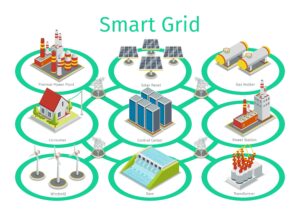
smart technology integration grid sensors for municipalities

Why Smart Technology Integration Matters for Cities in 2026

Urban infrastructure is under more pressure than ever to do more with less. Municipal budgets are tight, populations are growing, and aging systems are reaching the end of their service life. Smart technology integration gives city managers a way to solve all three problems at once.

The market reflects this shift. Industry research shows that over 65 percent of municipalities have implemented real-time monitoring systems, while smart grid adoption has surpassed 55 percent across major urban centers. More than 70 percent of municipalities are now investing in intelligent transportation systems, and smart lighting alone has reduced energy costs by 40 percent in cities that have adopted it.

For city leaders, this is no longer an experimental technology. It is becoming standard infrastructure planning.

Intelligent Systems. Seamless Integration.

Cities today require infrastructure that communicates. ATEK enables this transformation by supporting:

  • Sensor-equipped electric, gas, and water systems
  • Cloud-connected renewable energy and grid components
  • IoT-based lighting, traffic, security, and building controls
  • Integrated data networks that unify analytics, reporting, and automation

These technologies empower city managers to monitor resources, prevent downtime, reduce waste, and improve public services, all through real-time insights.

Smart Integration Capabilities

ATEK’s smart technology solutions cover the full spectrum of connected infrastructure:

1. Connected Electric Meters and Water Sensors

Smart meters and utility sensors give cities precise, real-time usage data. This helps reduce operational costs, prevent leaks, and maintain accurate billing across communities.

2. Smart Grid Components and Renewable Energy Tie-ins

ATEK supports the integration of renewable energy sources with modern grid hardware, enabling demand management, load balancing, and cleaner energy distribution.

3. IoT-Driven Controls for Lighting, Traffic, and Buildings

From adaptive traffic systems to auto-regulated lighting and building controls, IoT integration reduces energy consumption while improving public safety and convenience. Cities that adopt connected traffic and energy systems are seeing measurable reductions in congestion and emissions as part of broader smart city initiatives.

4. Secure Data and Network Integration

Every smart system relies on secure, reliable connectivity. ATEK supports the integration of fiber, wireless, and telecom infrastructure to ensure encrypted, uninterrupted data flow across network and wireless, engineering, and project management functions.

What City Managers Should Know Before Starting a Smart Integration Project

Smart city investments are shifting away from experimental pilots toward proven, operationally critical use cases. Municipal decision-makers are increasingly prioritizing return on investment, measurable operational savings, and service quality over untested technology.

This means the most successful smart technology integration projects share a few common traits:

  • They start with a clear operational problem, such as energy waste or unreliable utility data, rather than technology for its own sake
  • They use interoperable platforms that can scale across departments instead of isolated, single-purpose systems
  • They include a cybersecurity plan from day one, not as an afterthought
  • They are implemented with an experienced integration partner who understands both the hardware and the regulatory environment

Why Smart Cities Choose ATEK

Cities and critical facilities choose ATEK for smart technology integration because we deliver solutions, not just parts.

Turnkey Delivery of Parts, Plans, and Protocols

ATEK supplies the components and the integration guidance needed for smooth deployment across power, water, communication, and digital systems.

Cross-System Coordination

Smart cities function only when multiple networks work together. ATEK coordinates integrations that connect utilities, sensors, communication systems, and command platforms.

Cybersecurity Awareness at Every Layer

Modern infrastructure must be secure. ATEK supports cybersecurity-informed planning to protect data, networks, and critical services from vulnerabilities.

Frequently Asked Questions

What is smart technology integration?

Smart technology integration is the process of connecting a city’s infrastructure, such as power, water, transportation, and communication systems, into one coordinated, data-driven network that can be monitored and managed in real time.

How does smart technology integration help municipalities save money?

It reduces operational costs through real-time monitoring, predictive maintenance, and automation. Smart lighting alone has been shown to cut energy costs by up to 40 percent in cities that have adopted it.

What systems are typically included in a smart city integration project?

Common systems include smart electric and water meters, renewable energy and grid components, IoT-based traffic and lighting controls, and secure data and network infrastructure.

Why is cybersecurity important in smart technology integration?

Connected infrastructure creates more points of potential vulnerability. A strong cybersecurity plan protects utility data, communication networks, and critical city services from disruption or attack.

Who benefits from smart technology integration?

Municipalities, campuses, federal sites, and the residents they serve all benefit through lower costs, improved reliability, and better access to real-time city services.

With ATEK, “Smart” Isn’t a Buzzword. It’s a Deliverable.

Cities can’t afford downtime, inefficiencies, or outdated systems. ATEK helps municipalities build safe, resilient, intelligent infrastructure that improves operations today and scales for the demands of tomorrow.

ATEK ensures every component, including power, data, monitoring, communications, and automation, works together as one connected ecosystem.

Smarter cities start with smarter systems. And smarter systems start with ATEK. Modern cities around the world are leveraging connected infrastructure and digital solutions to improve quality of life. See global trends at Smart Cities World.

5 Underground Storage Tank Solutions for Safe & Compliant UST Management

Underground Storage Tank Solutions are essential for safety, environmental protection, and regulatory compliance. At ATEK Distribution, we provide complete UST evaluation, removal, upgrade, and compliance services that protect communities and support redevelopment projects.

This guide explains how our Underground Storage Tank Solutions work and why they matter.


Table of Contents

  1. What Are Underground Storage Tank Solutions?

  2. UST Site Evaluation

  3. UST Removal Services

  4. UST Upgrades & Modernization

  5. Environmental Remediation Support

  6. UST Regulatory Compliance

  7. Why Choose ATEK

  8. Contact ATEK


What Are Underground Storage Tank Solutions?

Underground Storage Tank Solutions refer to the professional management, removal, and upgrading of UST systems used in industrial, commercial, and municipal properties. ATEK follows EPA guidelines and state laws to ensure every project is safe, compliant, and environmentally sound.


UST Site Evaluation & Assessment

ATEK begins every project with a certified site evaluation. This includes:

  • Tank integrity review

  • Environmental risk assessment

  • Soil and groundwater screening

  • Compliance checks

  • Closure or upgrade recommendations

This is a required step for all UST projects according to EPA UST Regulations (external reference).


For more information, visit the EPA’s official Underground Storage Tank guidelines:

UST Removal Services

Our Underground Storage Tank Solutions include complete tank removal:

  • Permit and reporting management

  • Safe excavation

  • Pump-out and tank cleaning

  • Soil sampling

  • Hauling and disposal

  • Closure documentation

We work closely with environmental consultants, cities, and property owners to ensure full compliance.


UST Upgrades & Modernization

ATEK also provides upgrade solutions such as:

  • Double-wall tank installation

  • Leak detection systems

  • Anti-corrosion coating

  • Piping upgrades

  • Monitoring equipment

Upgrading your UST system reduces leaks, prevents violations, and increases site safety.


Environmental Remediation Support

If contamination is found, ATEK coordinates with remediation experts to ensure proper cleanup. Our team supports:

  • Soil removal

  • Impacted groundwater treatment

  • Reporting to regulatory bodies

  • Redevelopment planning

These steps keep your property safe for future use.


UST Compliance & Regulatory Assistance

Compliance is a major part of Underground Storage Tank Solutions. ATEK ensures your project meets:

  • EPA UST rules

  • State environmental agency requirements

  • Fire codes

  • Monitoring and leak detection standards

We also provide documentation for inspections, audits, and redevelopment.


Why Choose ATEK for UST Solutions?

ATEK offers:

  • Certified specialists

  • Detailed reporting

  • Safe and efficient work

  • EPA-aligned procedures

  • Support for remediation & redevelopment

Our Underground Storage Tank Solutions protect your property and community.


Contact ATEK for Certified UST Services

Looking for reliable Underground Storage Tank Solutions?
Contact ATEK today to discuss your UST evaluation, removal, upgrade, or compliance needs.

7 Reasons Design-Build Engineering Services Reduce Risk in Infrastructure Projects

7 Reasons Design-Build Engineering Services Reduce Risk in Infrastructure Projects

Infrastructure projects fail for one predictable reason: disconnect. Designs are finalized without procurement input, materials are sourced without engineering context, and execution suffers as a result.

Design-build engineering services solve this problem by aligning planning, materials, and execution from the very beginning. At ATEK Distribution, our integrated design-build approach minimizes risk while improving speed, cost control, and performance across complex infrastructure projects.

1. Engineering and Procurement Are Aligned From Day One

Traditional project delivery separates design from procurement, creating costly gaps between intent and execution. Design-build engineering eliminates this divide.

ATEK brings engineers, product specialists, and procurement teams together early, ensuring system designs match real-world product availability, compatibility, and compliance.

Design-Build Engineering Services

2. Fewer Change Orders and Mid-Project Surprises

Change orders are a leading cause of project delays and budget overruns. They typically occur when designs overlook material constraints or installation realities.

With design-build services, components are vetted upfront, reducing redesigns, substitutions, and last-minute field issues.

3. Faster Project Timelines Through Integrated Planning

When design, material selection, and logistics are coordinated, projects move faster.

ATEK’s design-build model compresses schedules by aligning engineering decisions with procurement lead times, helping projects reach installation and commissioning sooner.

4. Improved System Compatibility and Performance

Infrastructure systems don’t fail because of individual components — they fail because components don’t work together.

Our engineers evaluate system-wide compatibility, ensuring electrical distribution, energy storage, telecom, and smart infrastructure components perform as a cohesive unit.

5. Better Cost Control Through Value Engineering

Design-build engineering services enable smarter financial decisions early in the project lifecycle.

ATEK applies value engineering to balance performance, durability, and budget — identifying cost-effective alternatives without compromising long-term reliability.

6. Simplified Communication With One Point of Accountability

Multiple vendors and disconnected teams increase risk. Design-build reduces complexity by centralizing responsibility.

ATEK serves as a single point of coordination between engineers, contractors, and suppliers, minimizing miscommunication and accountability gaps.

7. Reduced Compliance and Installation Risk

Regulatory and installation issues often emerge late — when they’re most expensive to fix.

Our design-build engineering process accounts for code compliance, field conditions, and operational requirements upfront, protecting projects from avoidable setbacks.

Design-Build Engineering That Delivers What Was Designed

ATEK Distribution’s design-build engineering services ensure that what’s planned on paper is delivered in the field — accurately, efficiently, and without unnecessary risk.

From utility and energy infrastructure to smart technology and telecom systems, we help projects move forward with confidence, clarity, and control.

Looking for Design-Build Engineering Services that actually reduce project risk?
Explore how ATEK aligns engineering, procurement, and execution from day one.

5 Ways ATEK’s Site Management & Field Services Ensure Smooth Project Delivery

site management & field services

From Dirt to Delivery: ATEK’s Site Management & Field Services

Complex construction and infrastructure projects often stall due to lack of coordination, miscommunication, and delays on-site. ATEK’s Site Management & Field Services bridge the gap between planning, procurement, and execution, providing seamless oversight and efficient delivery from the first blueprint to final commissioning.

Integrated Site Management & Field Services

Our veteran-led teams bring structure and accountability to every project. By combining site management services with hands-on field support, we ensure that all stakeholders—from engineers to contractors—are aligned, minimizing delays and costly mistakes.

1. Pre-Construction Planning

ATEK’s site managers oversee every step of pre-construction planning. This includes risk assessment, resource allocation, scheduling, and compliance checks, ensuring projects start on solid ground.

2. On-Site Field Services

From equipment setup to labor coordination, our field services guarantee that each phase of construction is executed efficiently. Our teams maintain continuous communication between the jobsite and project managers to ensure smooth operations.

3. Safety and Compliance

With strict safety protocols and real-time monitoring, our site management services protect personnel, equipment, and materials, keeping every project compliant with industry standards.

4. Quality Assurance & Performance Monitoring

Our field services team ensures that materials, installations, and processes meet design specifications. Continuous quality checks and performance monitoring reduce errors and rework, saving time and cost.

5. Turnkey Project Delivery

ATEK delivers projects on time, with full documentation, inspection reports, and handover protocols. Our integrated approach ensures clients get a fully operational site without delays or miscommunications.

Our field teams ensure proper installation of electrical distribution equipment on-site

ATEK’s teams ensure every project follows the latest OSHA site safety standards, keeping personnel and equipment safe throughout the construction process.

Retrofitting Buildings with LED Lighting | Benefits, Cost Savings & Guide

A LED lighting retrofit for commercial buildings is one of the most effective ways to reduce energy consumption, cut maintenance costs, and modernize outdated infrastructure.

The journey toward efficient lighting starts with selecting the right supplier. Electrical contractors and government procurement officials understand the importance of partnering with reliable sources for quality electrical products.

A premier supplier does more than provide materials. It offers advisory services and practical solutions. ATEK Distribution in Minneapolis fills this dual role, serving as both an electrical product supplier and an expert consultant for LED retrofit projects.

LED lighting retrofit for commercial buildings

Choosing the Right LED Lighting Supplier

When evaluating a supplier, the first consideration is the depth of their product range…

ATEK Distribution’s warehouse stocks a wide range of products for many installation needs. From LED fixtures to transformers, this broad inventory signals readiness for projects of any size.

Market reputation matters just as much. Longevity and client testimonials are proof of reliability. Contractors and government officials should vet suppliers carefully before committing to a long-term partnership. ATEK Distribution’s long-standing presence in the Minneapolis area reflects its consistent quality and customer satisfaction.

A supplier’s ability to act as a consultant is equally important. Retrofitting with LED lighting involves technical and regulatory complexity. Expert guidance often makes the difference between an average project and an outstanding one. ATEK Distribution provides this level of hands-on advisory support to its clients.

Why Retrofitting Buildings with LED Lighting Matters

A successful LED retrofit depends on careful planning. This process minimizes operational disruptions and maximizes long-term efficiency gains. Planning typically includes three steps: energy audits, feasibility studies, and financial analysis.

Step 1: Energy Audits

An energy audit identifies inefficiencies in your current lighting system. It creates a baseline so you can measure real savings after the retrofit is complete.

ATEK Distribution’s consultants conduct these audits and translate technical data into clear, actionable insights. This helps contractors and government agencies make informed decisions early in the process.

Step 2: Feasibility Studies

A feasibility study determines whether your existing infrastructure can support the retrofit. ATEK Distribution evaluates the current electrical system and flags any repairs or upgrades needed before installation begins. This proactive step helps avoid unexpected delays once work is underway.

Step 3: Financial Analysis

The financial analysis looks at cost and return on investment. LED lighting typically delivers strong long-term energy savings, though the upfront investment can be significant.

Understanding available rebates, payback periods, and projected savings is critical before moving forward. ATEK Distribution provides detailed cost-benefit breakdowns so stakeholders have a clear financial picture before approving the project.

Implementation and Monitoring

Once planning is finished, the focus shifts to execution. Speed and coordination matter here. Contractors need to work closely with suppliers to make sure products arrive exactly when needed.

Staggered deliveries, timed to match each project phase, help streamline installation and reduce clutter at the job site.

Quality Control and Safety

Quality checks and safety protocols are non-negotiable in any retrofit project. ATEK Distribution’s components go through strict quality control, giving contractors and procurement officials added confidence. Their safety standards also help ensure every installation meets current regulatory requirements.

Post-Installation Monitoring

Retrofitting does not end once the lights are switched on. Ongoing monitoring tracks performance and flags potential issues early.

Key metrics to track include energy savings, lighting quality, and user satisfaction. ATEK Distribution supports this phase with training for maintenance personnel and continued consultancy, helping the benefits of the retrofit last for years.

Benefits of Retrofitting Buildings with LED Lighting

The benefits of an LED retrofit go beyond a lower electricity bill. Here is what building owners and facility managers gain:

  • Lower energy consumption and reduced utility costs
  • Less frequent maintenance due to LED longevity
  • A smaller carbon footprint, supporting sustainability goals
  • Improved safety and lighting quality across the facility
  • Easier compliance with modern building and energy codes

According to the U.S. Department of Energy, LED upgrades can reduce lighting energy use by up to 75 percent compared to traditional lighting systems. This makes LED retrofitting one of the most cost-effective upgrades available for commercial and government buildings today.

Who Benefits Most

Government agencies gain improved public safety through better lighting, both inside buildings and in surrounding areas. For schools, healthcare facilities, and office buildings, this improvement can have a meaningful impact on daily operations and occupant wellbeing.

Electrical contractors benefit as well. Developing expertise in LED retrofitting opens new business opportunities and strengthens a contractor’s project portfolio. Satisfied clients often become repeat customers, building long-term relationships that drive future work.

Conclusion

Successfully retrofitting buildings with LED lighting depends on four things: choosing the right supplier, careful planning, systematic implementation, and ongoing monitoring.

ATEK Distribution in Minneapolis brings all four together, offering an end-to-end solution that helps retrofitting projects succeed from start to finish. Partnering with a supplier like this lays the foundation for lighting upgrades that are efficient, cost-effective, and built to last.

FREQUENTLY ASKED QUESTIONS

What is an LED lighting retrofit?

An LED lighting retrofit involves replacing outdated lighting fixtures and bulbs with energy-efficient LED alternatives, without fully rebuilding the existing electrical infrastructure.

How much energy can an LED retrofit save?

According to the U.S. Department of Energy, LED retrofits can reduce lighting energy use by up to 75 percent compared to traditional lighting systems.

What is the first step in an LED retrofit project?

The process typically starts with an energy audit to identify inefficiencies in the current lighting system, followed by a feasibility study and financial analysis.

How do I choose the right LED lighting supplier?

Look for a supplier with a broad product inventory, a strong market reputation, and the ability to provide expert consulting alongside the physical products.

Who benefits from LED retrofitting projects?

Building owners, government agencies, electrical contractors, and facility occupants all benefit through lower costs, improved safety, and better lighting quality.