Electrical Boxes | Indoor, Outdoor & NEMA-Rated — ATEK
7+ Years Serving Nationwide
Whether you’re managing a single job site or procuring electrical enclosures across dozens of locations, we supply the right box — correctly specified, fully documented, and delivered on time.
Serving Contractors Nationwide Since 2018
Inspection Documentation Provided
SDVOSB-Certified & GSA Contract Holder
NEC Box-Fill Specification Support
Nationwide Distribution Available
NEMA-Rated Commercial Enclosures
Serving contractors and property owners nationwide since 2018, we supply reliable indoor, outdoor, weatherproof, and NEMA-rated electrical enclosures engineered for code-compliant performance.
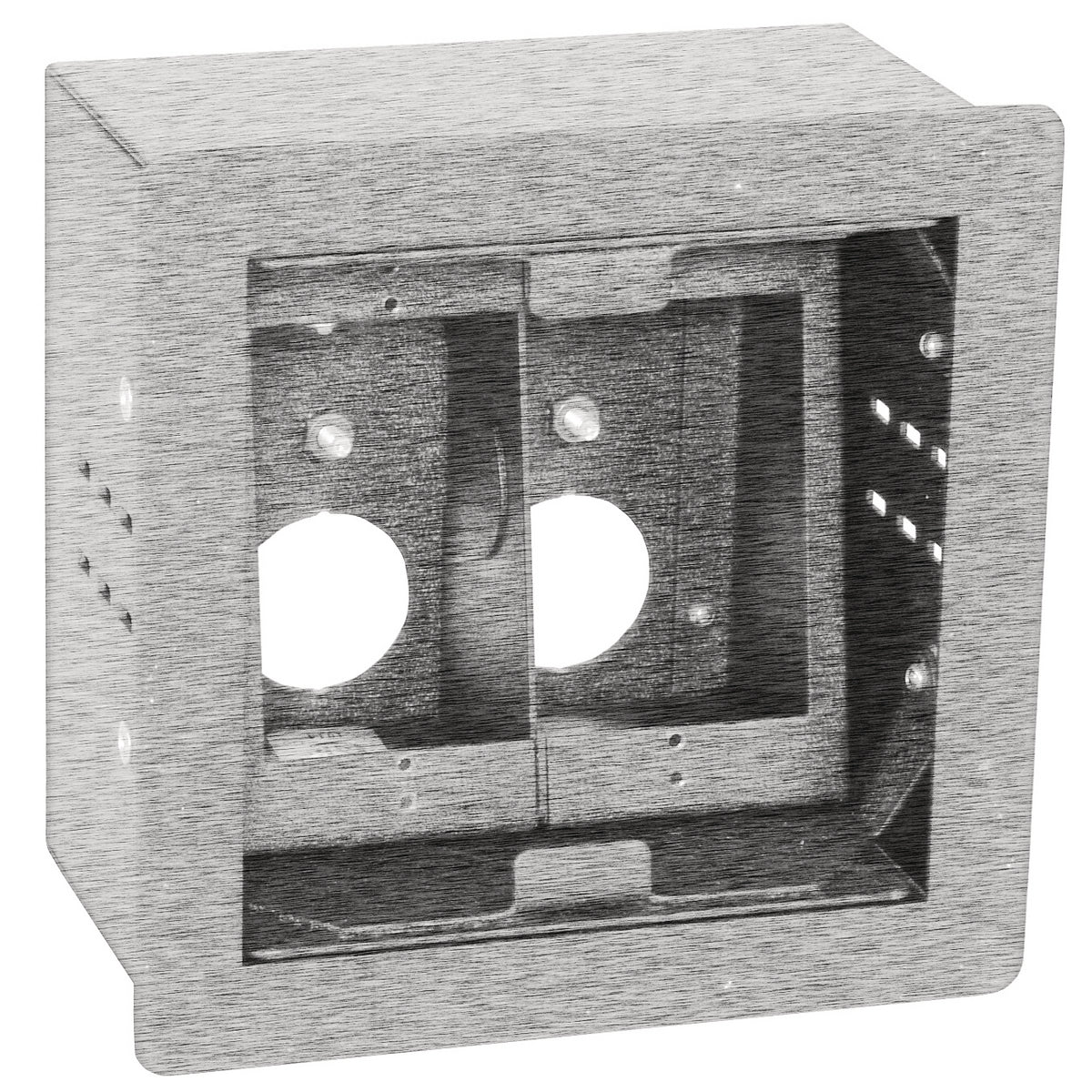
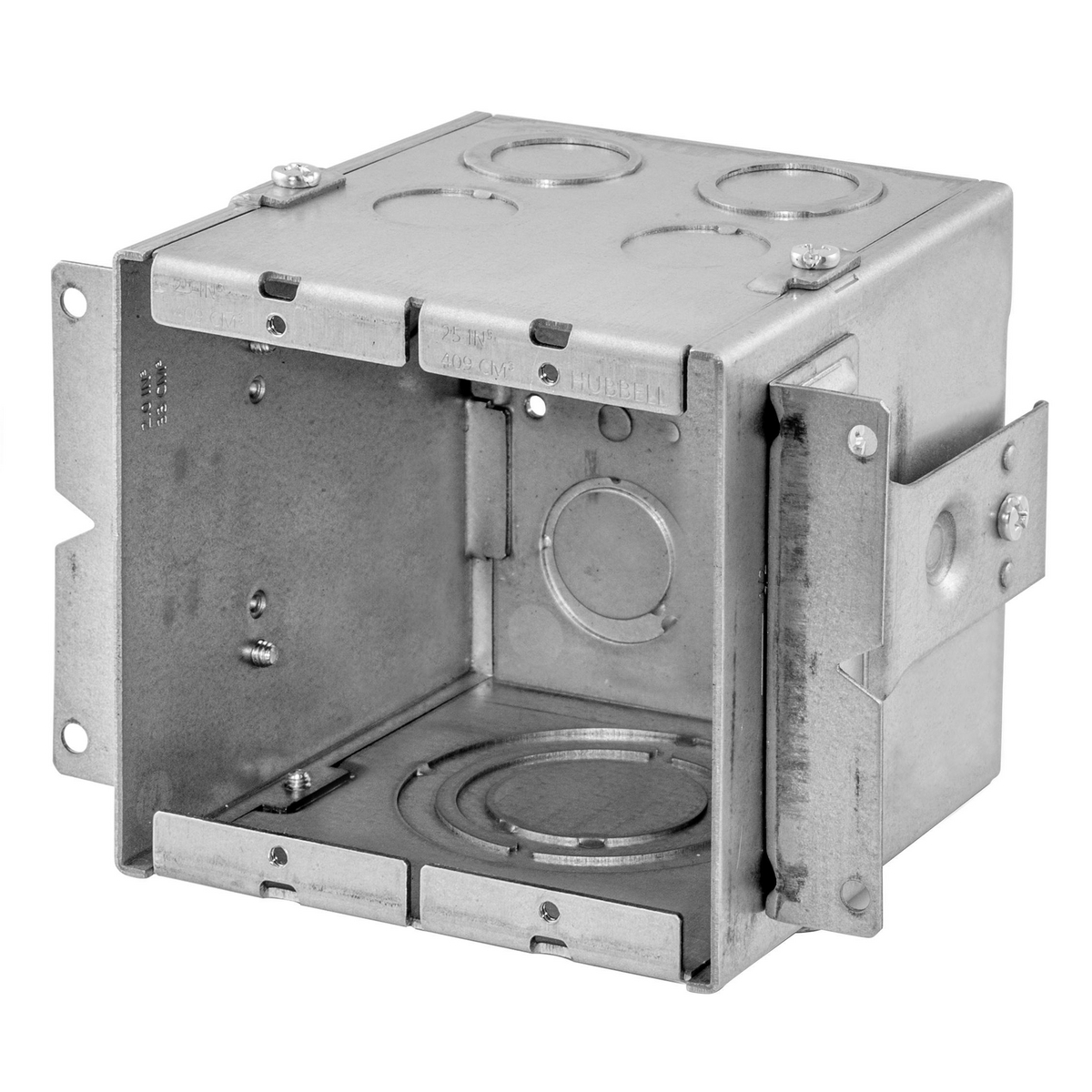
ATEK Distribution supplies four core types of electrical boxes engineered to meet precise commercial, industrial, and residential specifications:
Rectangular (Switch & Outlet) Boxes
Application House standard single-gang switches, dimmers, and duplex receptacles.
Capacity Sized efficiently for individual device terminations.
Options Available in both welded steel for commercial conduit and lightweight PVC for residential builds.
Round & Octagonal (Ceiling & Light) Boxes
Application Surface- or flush-mount lightweight lighting fixtures and smoke detectors.
Capacity Shallow profile optimized for tight ceiling and wall cavity clearances.
Safety Warning Must not be used for ceiling fans unless explicitly rated for heavy structural loads.
Square (Junction) Boxes
Application Serve as central splicing hubs for routing multiple electrical circuits.
Capacity Maximized internal cubic volume to safely accommodate high wire counts and loop-backs.
Versatility Easily adapt to single- or double-device configurations using specific mud rings and covers.
Weatherproof (Outdoor) Enclosures
Application Protect critical connections in damp, wet, or highly corrosive environments.
Construction Die-cast aluminum or heavy-duty polycarbonate featuring sealed gaskets and threaded hubs.
Compliance Essential for exterior power, industrial washdown zones, and landscape lighting.
Who We Serve
ATEK supplies electrical boxes and enclosures to six distinct buyer groups nationwide. Each has different procurement requirements, compliance obligations, and project timelines — and our team has the experience to serve all of them accurately.
Commercial, Institutional & Government (CIG)
Municipalities, Universities, Schools & Hospitals (MUSH)
Construction & Contractors
Industrial
Renewable Energy
Residential
What Is an Electrical Box and What Does It Do?
An electrical box — also called an electrical enclosure, junction box, outlet box, or switch box — is a protective housing that contains wire connections, electrical devices, and termination points within an electrical system. Its primary function is to enclose wiring safely, protect connections from damage and environmental exposure, and provide a code-compliant point of access for installation, inspection, and maintenance.
Under NEC Article 314, every electrical connection in a building’s wiring system must be housed within an approved enclosure. This requirement exists for a direct reason: exposed wire connections create fire hazards, shock risks, and system failures. The electrical box contains those risks — and when correctly specified, it eliminates them.
Electrical boxes are classified by:
Installation environment — indoor, outdoor, weatherproof, watertight, hazardous location
Physical configuration — single-gang, multi-gang, square, round, octagon, floor, ceiling
Material — steel, PVC, fiberglass, cast aluminum
NEMA rating — the enclosure’s protection level against moisture, dust, and environmental exposure
Cubic-inch capacity — the internal volume available for conductors, devices, and fittings per NEC box-fill rules
Getting all five of these variables right for a given installation is the core of what ATEK’s specification support process does — before the box ships, before it’s installed, and before inspection.

Why Contractors Choose ATEK Distribution for Electrical Boxes Nationwide
Electricians rely on us for accurate specs. Property managers trust us because we provide guidance — not upselling.
SDVOSB-Certified & GSA Contract Holder
Technical product specification support
Contractor-trusted equipment
Transparent distributor pricing
Fast response times
Nationwide sourcing capabilities
Documentation for inspection compliance
Supplying Electrical Boxes Across the Twin Cities & Greater Minnesota
St. Paul
Richfield
Hopkins
Plymouth
Brooklyn Center
Crystal
Roseville
Burnsville
Woodbury
Nationwide Distribution
Bloomington
St. Louis Park
Minnetonka
Maple Grove
Robbinsdale
Fridley
Shoreview
Oakdale
Eagan
Edina
Golden Valley
Eden Prairie
Brooklyn Park
New Hope
Columbia Heights
Vadnais Heights
Lakeville
Apple Valley
Nationwide Distribution
FREQUENTLY ASKED QUESTIONS
What type of electrical box do I need for outside in Minnesota?
For most outdoor spots, a weatherproof box with a sealed cover does the job. If it’s somewhere fully exposed to rain with no shelter above it — like an open exterior wall — you’ll want a waterproof box for that extra protection. Your electrician will confirm the right spec for your exact setup. We make sure you order the right one before they arrive.
What's the difference between weatherproof and waterproof boxes?
Can I use a regular indoor electrical box outside?
Even if an indoor box is protected somewhat by an overhang or covered porch, the correct answer is still an outdoor-rated enclosure. The covers, gaskets, and materials used in outdoor boxes are fundamentally different from their indoor counterparts — and those differences matter in Minnesota winters.
How do I know what size box I need?
Can you supply boxes for a larger commercial project?
Do outdoor electrical boxes in Minnesota need to be GFCI protected?
GFCI protection can be provided two ways: either a GFCI outlet installed directly in the outdoor box, or a GFCI breaker protecting the whole circuit upstream at the panel. Both satisfy the code requirement. Either way works — your electrician decides which approach fits the circuit design.
Do I need a permit for electrical box installation in Minnesota?
Minnesota law requires electrical work to be performed by a licensed electrician in most cases. The exception is a homeowner permit — which allows a homeowner to do their own electrical work on a home they personally occupy as a primary residence, under strict limitations. Homeowners cannot use this exemption for rental properties, commercial properties, or work they hire out to unlicensed individuals.
What is a GFCI outlet and do I need one in my electrical box?
A GFCI (ground-fault circuit interrupter) outlet monitors current flowing through a circuit and shuts off power within milliseconds if it detects current leaking to ground, protecting against electric shock. The NEC requires GFCI protection at outdoor receptacles, garages, bathrooms, kitchens, and other specific locations.
GFCI protection can be provided two ways: a GFCI outlet installed directly in the box, or a GFCI breaker protecting the whole circuit upstream at the panel. We supply boxes sized correctly for either approach—your electrician determines which fits the circuit design.
What size electrical box do I need?
Electrical box size is determined by how many wires are going into it and how thick (what gauge) those wires are. The National Electrical Code (NEC Article 314) requires that a box be large enough to hold all the wires, devices, and connectors inside without overcrowding — which can cause overheating and is a fire risk.
Box volume is measured in cubic inches. Each wire, device, and connector takes up a specific volume allowance. As a rough guide: a simple single outlet with two 14-gauge cables (4 wires) typically needs at least 16–18 cubic inches. Add more wires, thicker wires, or a GFCI outlet, and you need more volume.
Your electrician calculates this precisely and makes the final call. We supply the cubic-inch capacity specs for every box we carry so your electrician can verify the fit before the box goes in the wall.
What is a junction box and when do I need one?
A junction box is a closed enclosure used to safely connect or split electrical wires in the middle of a circuit — rather than leaving wire connections loose inside a wall, ceiling, or floor. Minnesota’s electrical code (following the NEC) requires all wire splices to be made inside an approved, accessible electrical box. You cannot legally splice wires inside a wall and close it up.
You typically need a junction box when: adding a new outlet or light partway along an existing circuit, running power to a detached garage or outbuilding, or extending a circuit to a new location. They come in plastic and metal, in various sizes and environmental ratings.
What is a NEMA rating for electrical boxes — and why does it matter?
The ones that matter most for Minnesota projects:
NEMA 3R — Protects against rain, sleet, and ice. Minimum for most outdoor residential boxes.
NEMA 4 — Everything in 3R plus windblown rain and hose-directed water. Required for more exposed commercial and industrial locations.
NEMA 4X — Everything in NEMA 4 plus corrosion resistance. Stainless or fiberglass construction. Used in food processing, chemical environments, and coastal applications.
NEMA 12 — Dust and dripping liquids. Used for indoor industrial environments like manufacturing floors.
Who Determines Your NEMA Rating?
Your licensed electrician, based on where the box is going and what it’s exposed to. NEMA ratings are factory-certified — they can’t be field-modified. We confirm you’re ordering the correct class before it ships.
Metal vs plastic electrical box — which one should I use?
Plastic (nonmetallic) boxes are the standard for most residential wiring — they’re lightweight, inexpensive, and the box itself doesn’t need to be grounded since it’s non-conductive. They’re commonly used with Romex-type cable in standard interior residential work.
Metal boxes are common in commercial wiring, conduit installations, and industrial settings. They provide more mechanical strength and are required when the box itself must be grounded (which is the case in conduit systems and metal-clad cable installations).
For outdoor use, both metal and plastic outdoor boxes are available in appropriate weatherproof and waterproof ratings — the housing material matters less than the environmental rating of the enclosure. Your electrician specifies which is appropriate for the wiring method used
How many electrical outlets can be on one circuit?
In practice, many electricians use 8–10 outlets per 15-amp circuit and 10–13 per 20-amp circuit for general living areas. That said, kitchens, garages, and outdoor circuits often have their own dedicated wiring requirements under Minnesota code — they can’t just share a general-purpose circuit.
This is your electrician’s design decision, not ours. Their circuit plan determines how many boxes and outlets each circuit supports — and that plan has to satisfy both the NEC and your local inspector.
Can ATEK ship electrical boxes outside of Minnesota?
If you’re managing electrical procurement across multiple locations, or need a reliable distributor relationship for ongoing supply, contact us directly with your project specs and volume. We’ll put together a quote and work out a fulfillment approach that fits your timeline.
📞 Get in Touch
Call us at (952) 254-1205 or email info@atekdistribution.com with your project details. We respond quickly — contractors on tight schedules don’t wait days for a callback.